From 9 sites to 2: a template system for a low-code CMS migration
A scalable, template-driven system for CLIA's migration from nine sites into two, built on Acquia Site Studio.
The approach proved scalable and later became the foundation for the cross-platform design system at DC Course — both website and mobile app — where I worked as design system mentor and lead.
About the Project
CLIA had nine websites covering different markets and audiences with no shared system. The best solution was two sites — a public consumer site and a travel agent portal — on Acquia Site Studio, a low-code platform with a drag-and-drop authoring model.
The Constraint
The client's content team would populate and maintain both sites going forward. Custom development beyond the platform budget was out of scope. Every decision had to be auditable by non-designers to operate.
Design for how the client will actually work
The client wanted to populate, edit, and experiment with content on their own — so we shifted toward a layout builder using the platform's drag-and-drop capability. That gave the client real flexibility, but it pushed the design system to absorb that flexibility safely.
Two strategic decisions shaped the rest of the work:
Consolidate the brand identity across nine source sites without flattening it.
Give the content team flexibility that can't break the design.
Problem 1: Nine inconsistent sites → one system
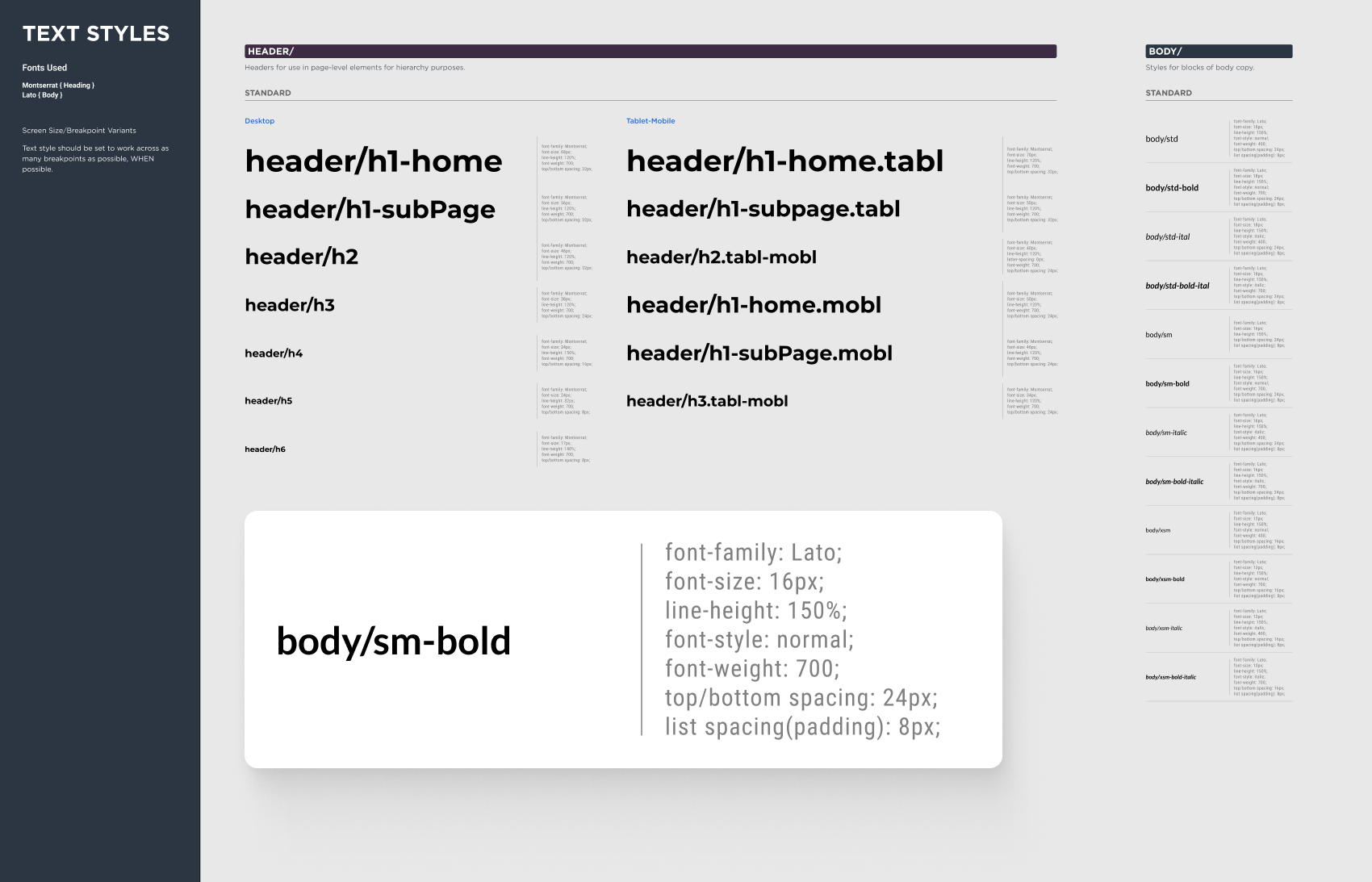
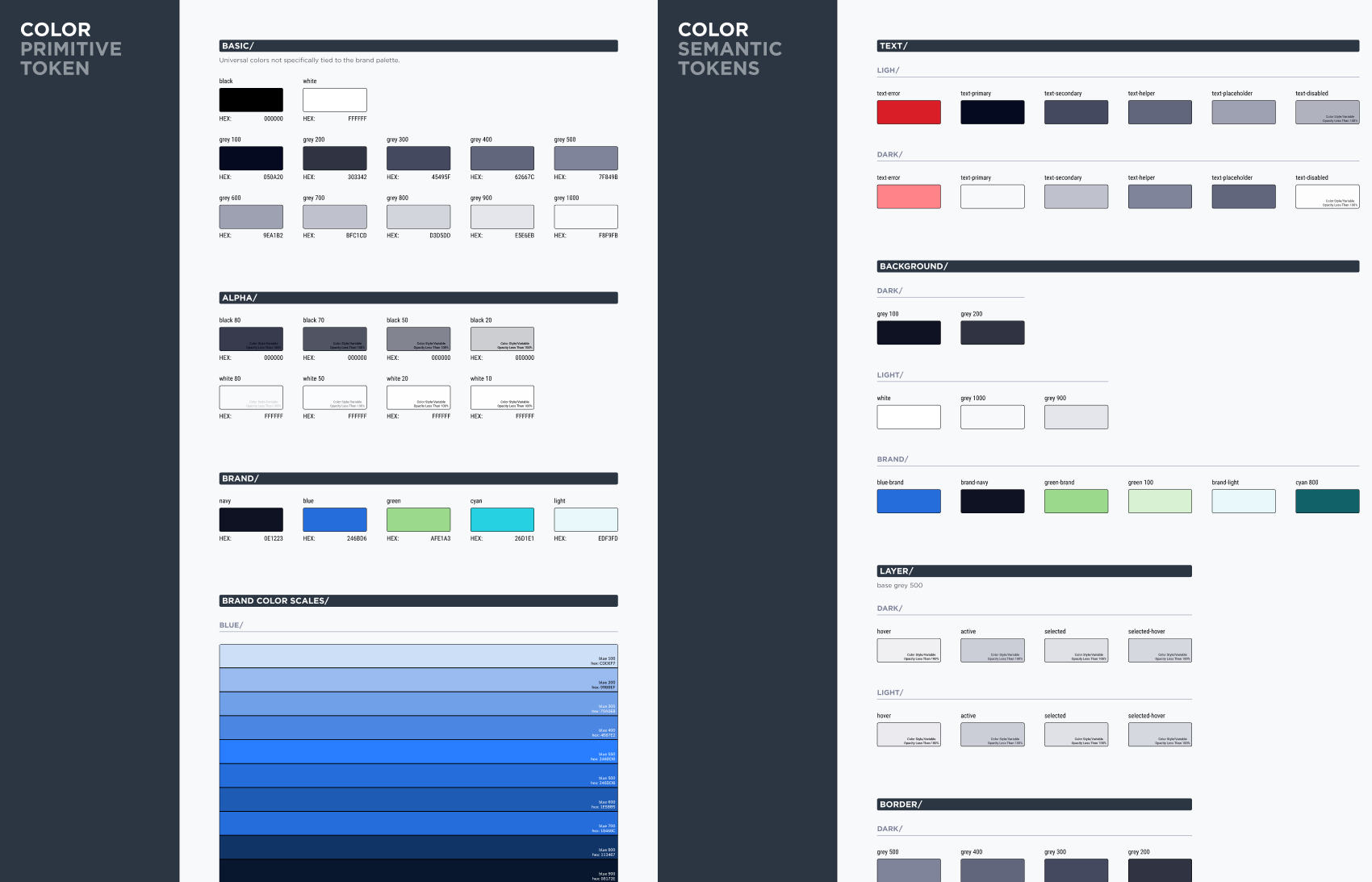
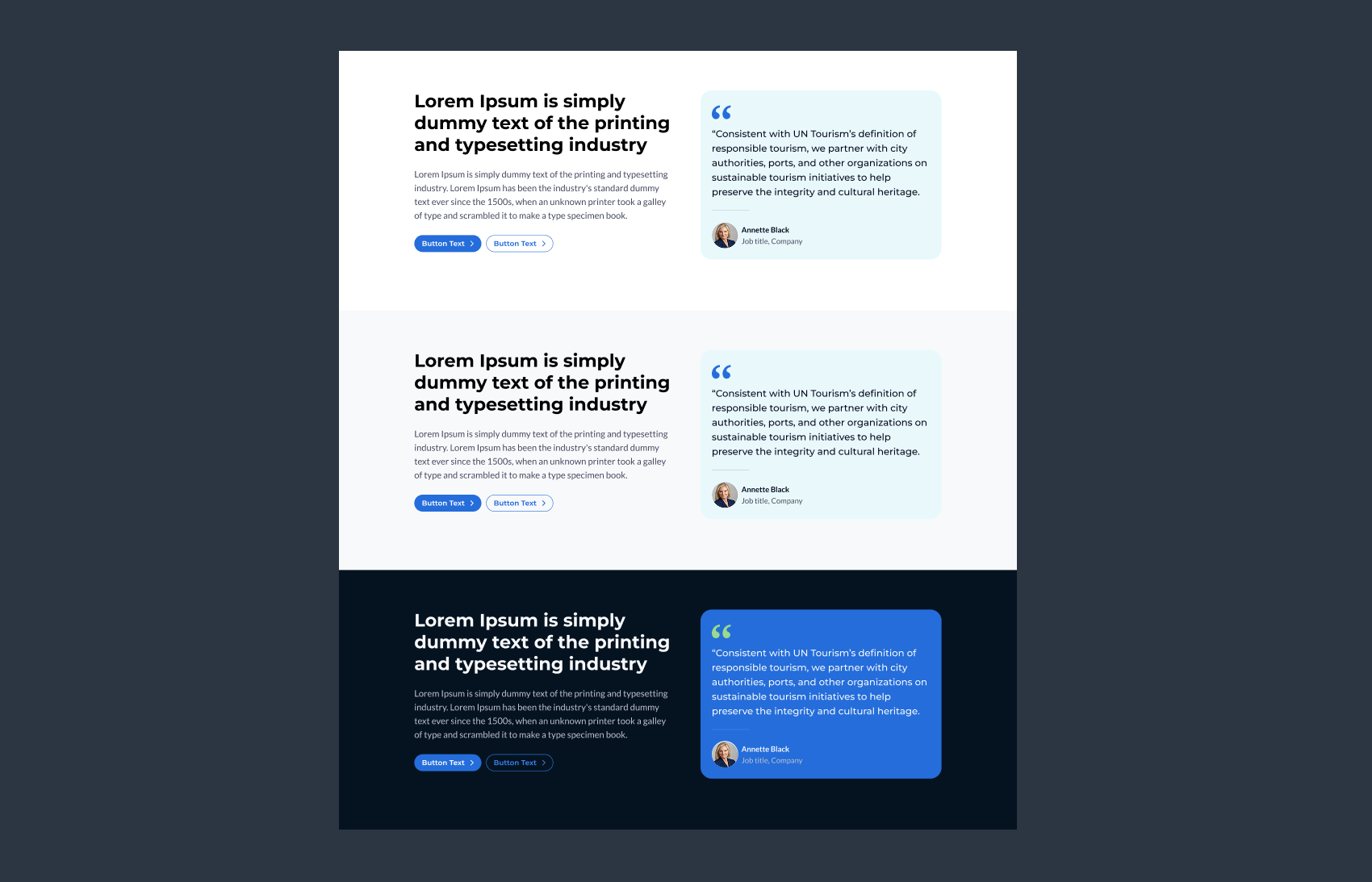
The nine sites had grown independently, with no shared visual language or content structure. The system needed to cover the full content range while preserving existing branding for two distinct audiences.
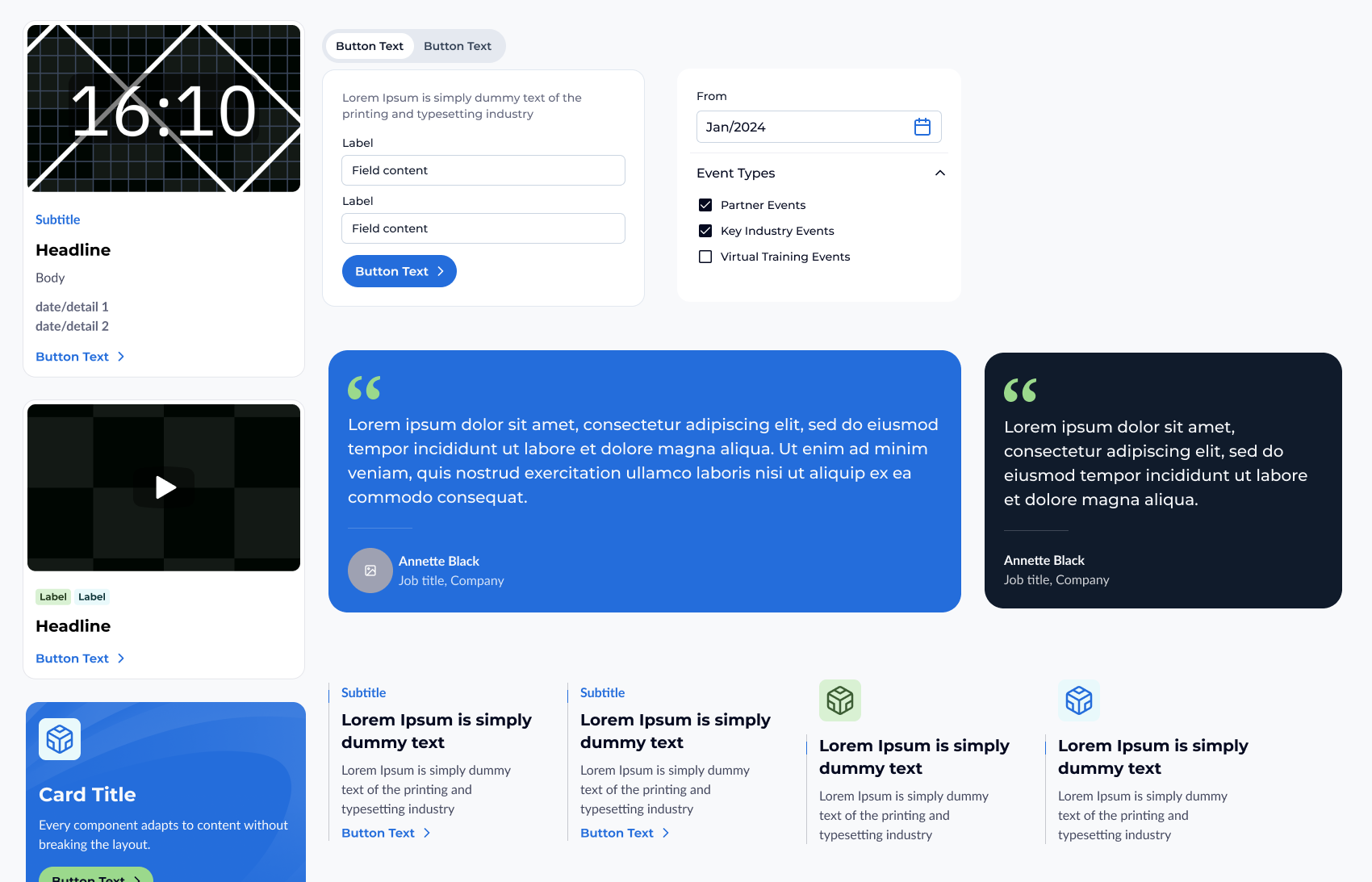
Problem 2: Managed flexibility — letting the content team compose without breaking the design
A layout builder gives non-designers freedom to compose pages. Freedom without limits breaks visual composition.
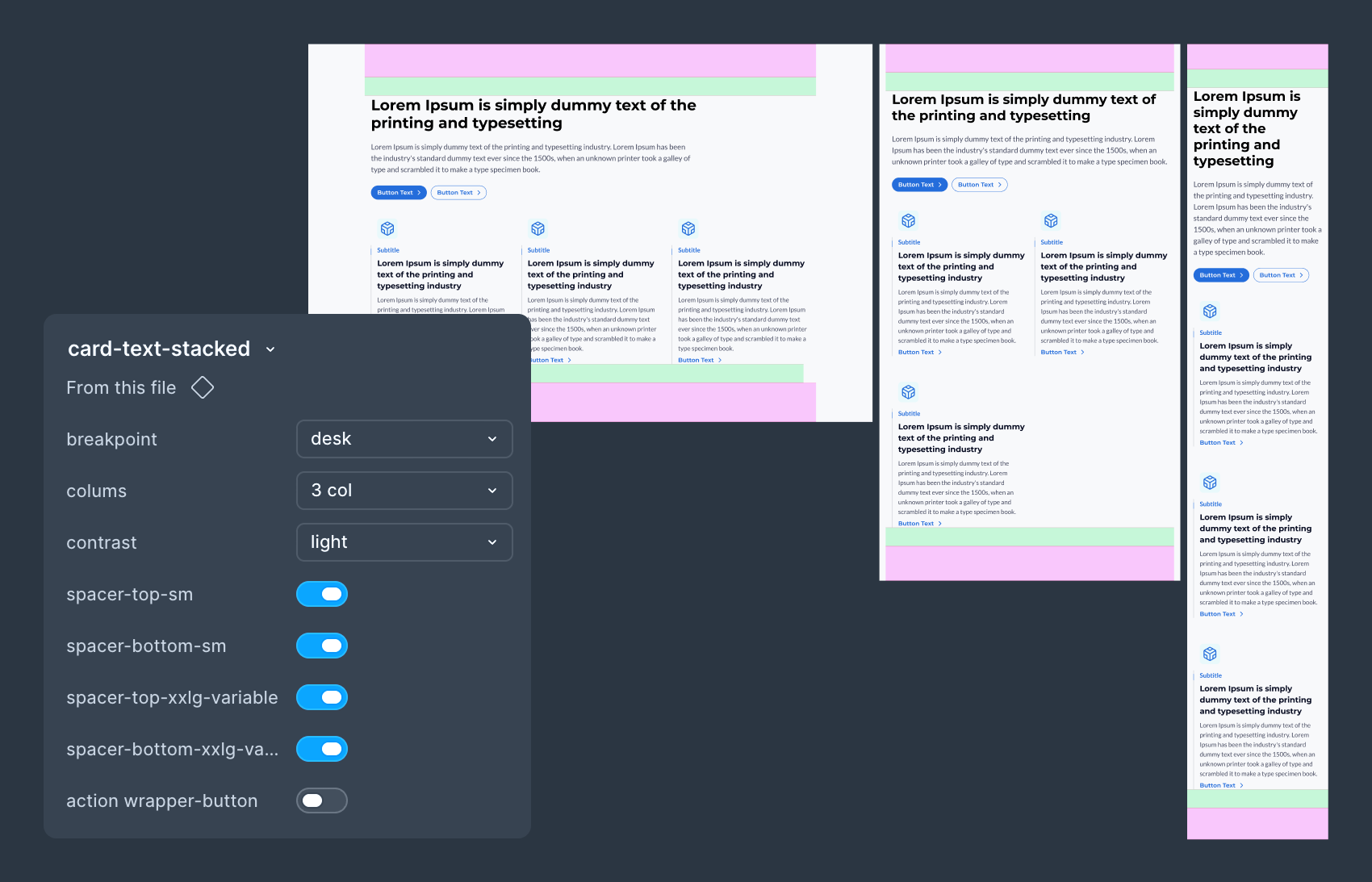
A five-person team needed to work in parallel on a tight timeline
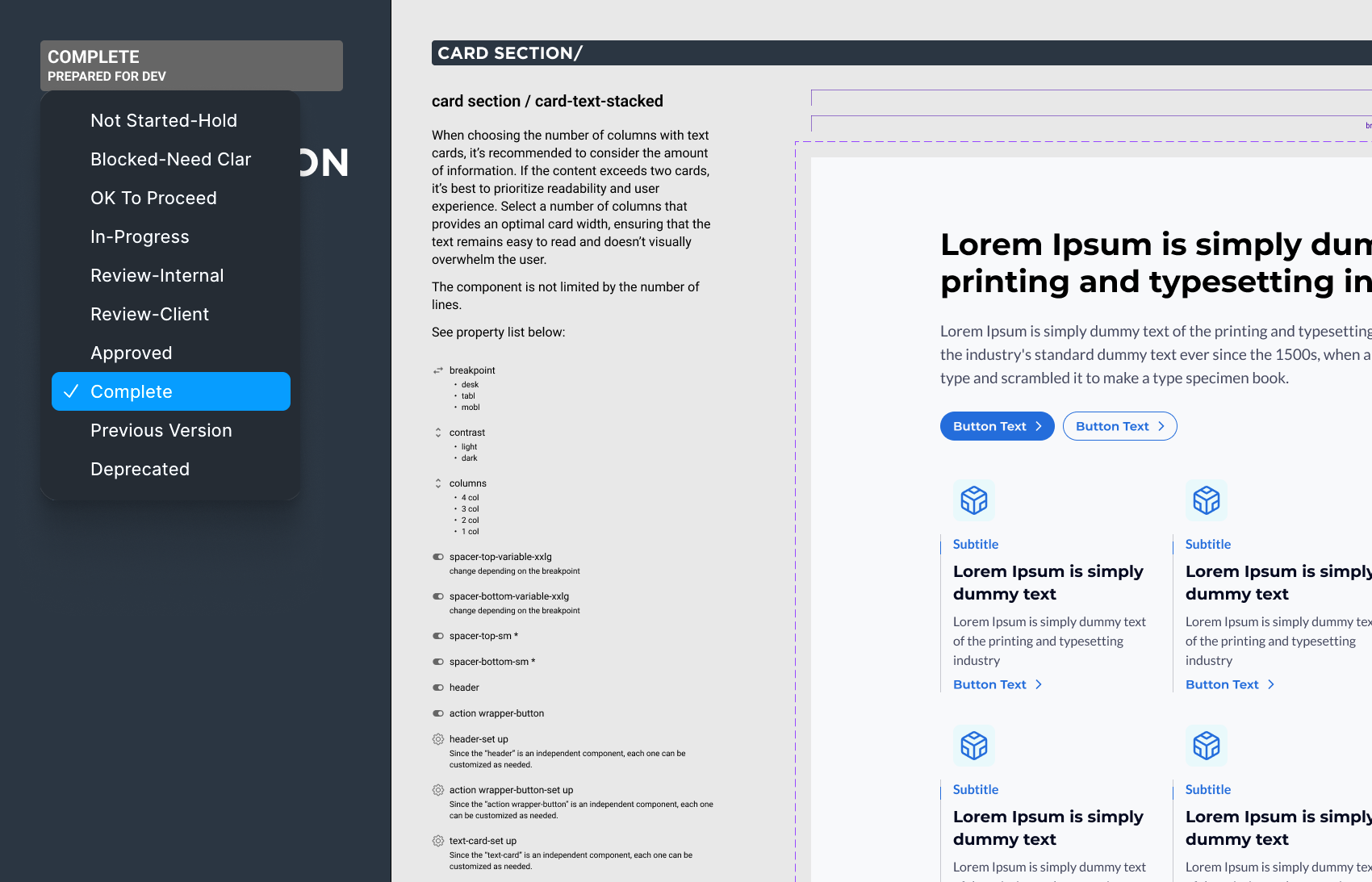
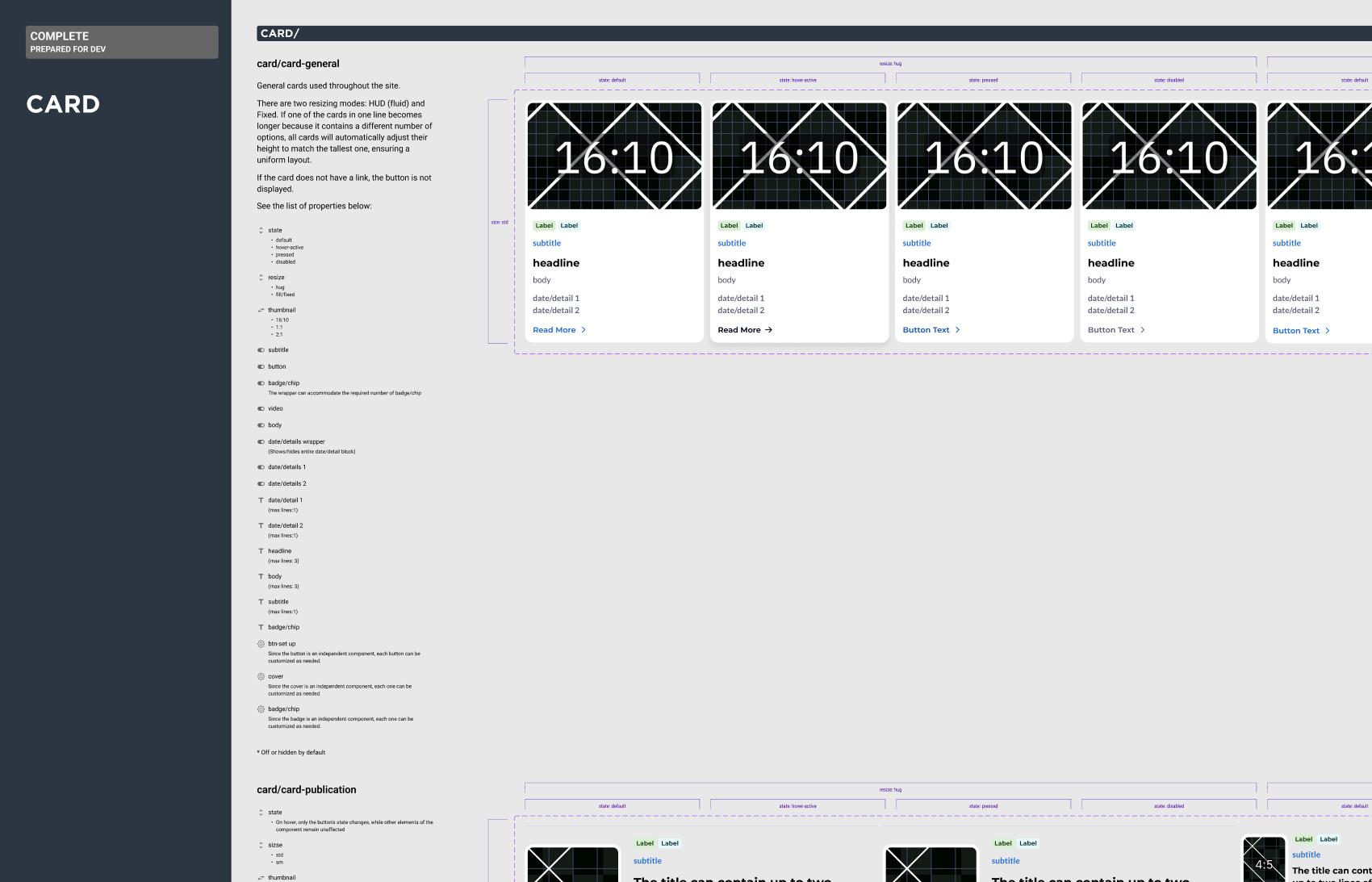
Solution: Extended Figma's status model with platform-readiness states, and shipped components with implementation-level detail.