Home
Lead Product Designer · Sole Designer

Delivering a scalable data collection system for financial reporting

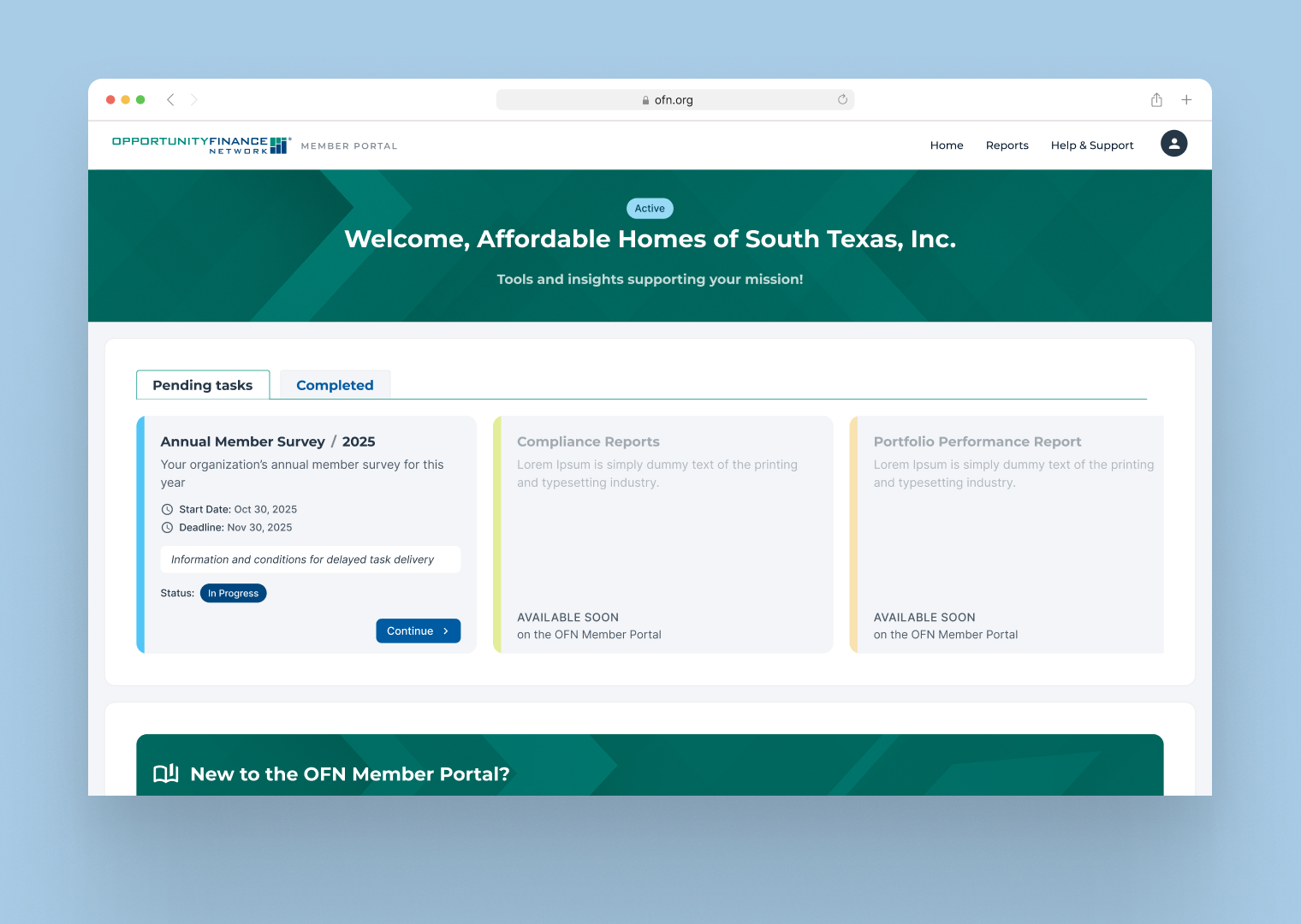
I led the design of the Member Portal for the Opportunity Finance Network (OFN), transforming fragmented reporting into a unified system with enterprise-grade data management and Power BI integration.
~60%
reduction in manual data verification
100%
autonomous report launching
195h
design budget — discovery to handoff
Year
2025–2026
Role
Lead Product Designer / Sole Designer
Scope & Focus
End-to-end UX/UI, Information Architecture, Validation Logic, CMS Requirements, Design System
Core Team
Senior Solution Architect, Program Director, Data Engineer, Project Manager

About the Project

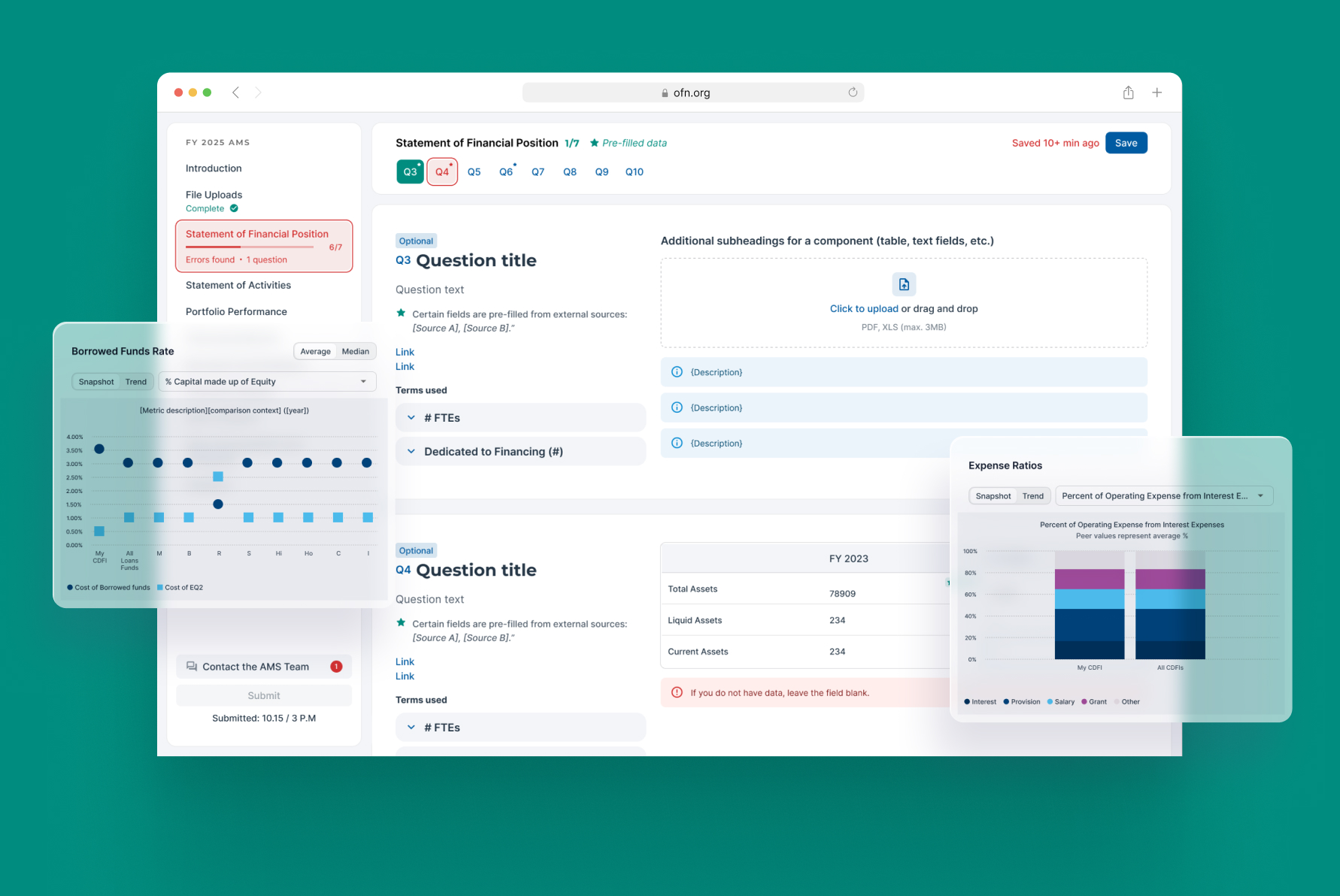
The challenge was to build an intelligent, scalable system rather than just a static interface. I designed a flexible template engine with built-in validation, enabling the client to launch new report types autonomously.

The core business goal was to minimize the operational load on the verification team (AMS), replacing manual "data cleaning".

The Constraint

Skipped formal usability testing in favor of stakeholder validation cycles, accepting risk in edge cases I could mitigate post-launch.

Strategy

195 hours, decisions over discovery

Under a 195-hour budget, I shifted from traditional discovery to decision-oriented design, using AI tools for rapid prototyping. The goal wasn't to "explore everything" — it was to eliminate ambiguity fast and keep the technical team unblocked.

15% Research Phase
Conducted a "Live Audit" session to walk through the legacy survey. This surfaced pain points instantly and established a hard Source of Truth.
Wireframes as a Strategic Roadmap
Used wireframes as the working artifact for logic workshops with the dev team and client. Output: an aligned backlog that unblocked development without waiting for high-fidelity design.
AI as a Production Multiplier
Leveraged AI tools for rapid documentation synthesis, IA structuring, edge-case stress-testing, and fast prototyping.
Constraint-Based Design (Template System)
Built a reusable template system that set hard boundaries for both design and dev. Predictable structure, faster iteration, easier extension when new report types are added.
Pragmatic Component Reusability
Reused existing UI foundations wherever possible, putting the time saved into the parts that mattered — validation logic, dependency rules, content architecture.
Key product decisions

Problem 1: Systemic Errors & User Friction

The Issue

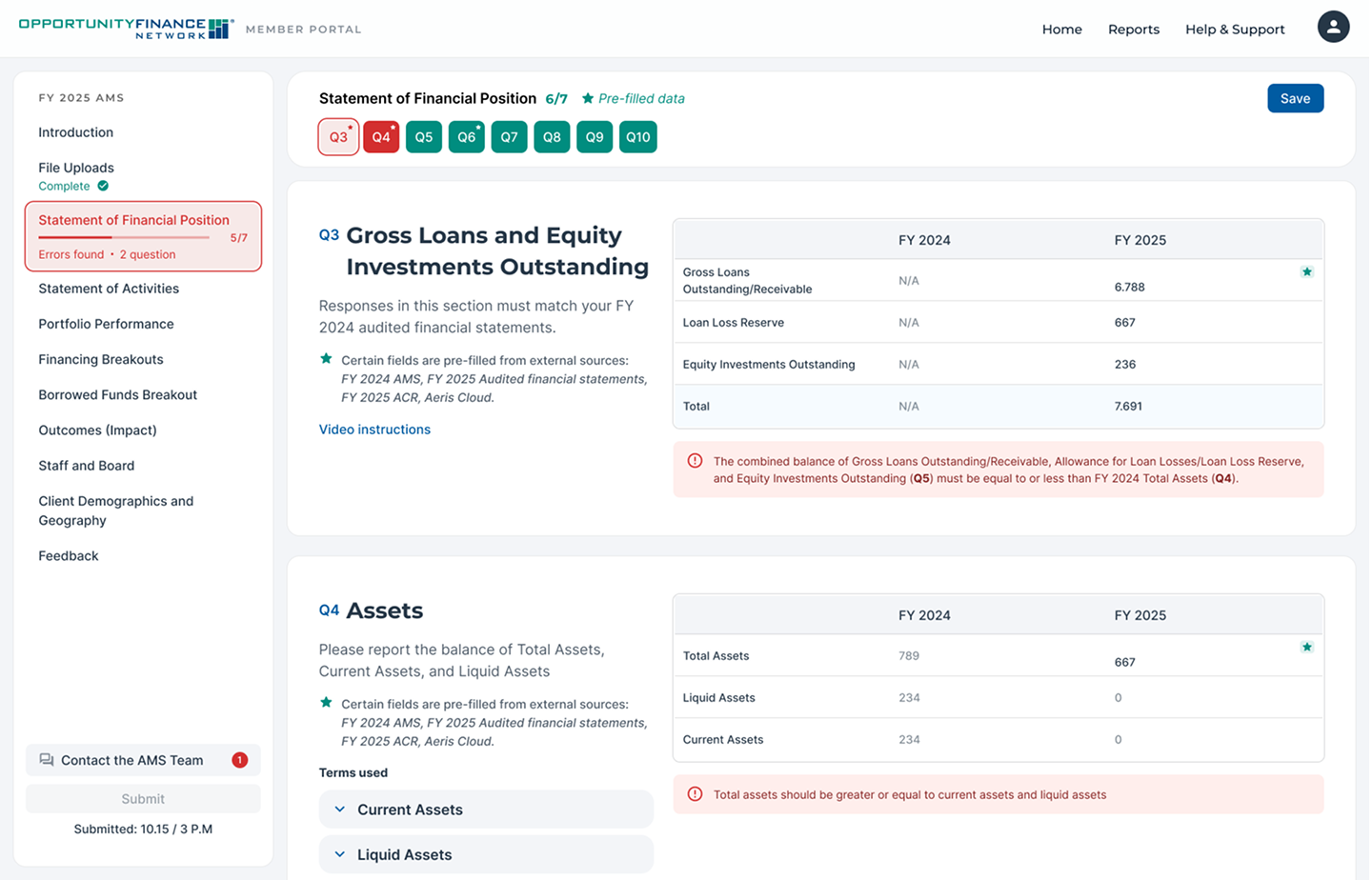
Qualtrics' non-linear, fragmented structure caused users to "drown" in errors. The verification team (AMS) was overwhelmed by manual clean-up and negative feedback.
Solution: Preventive Data Hygiene
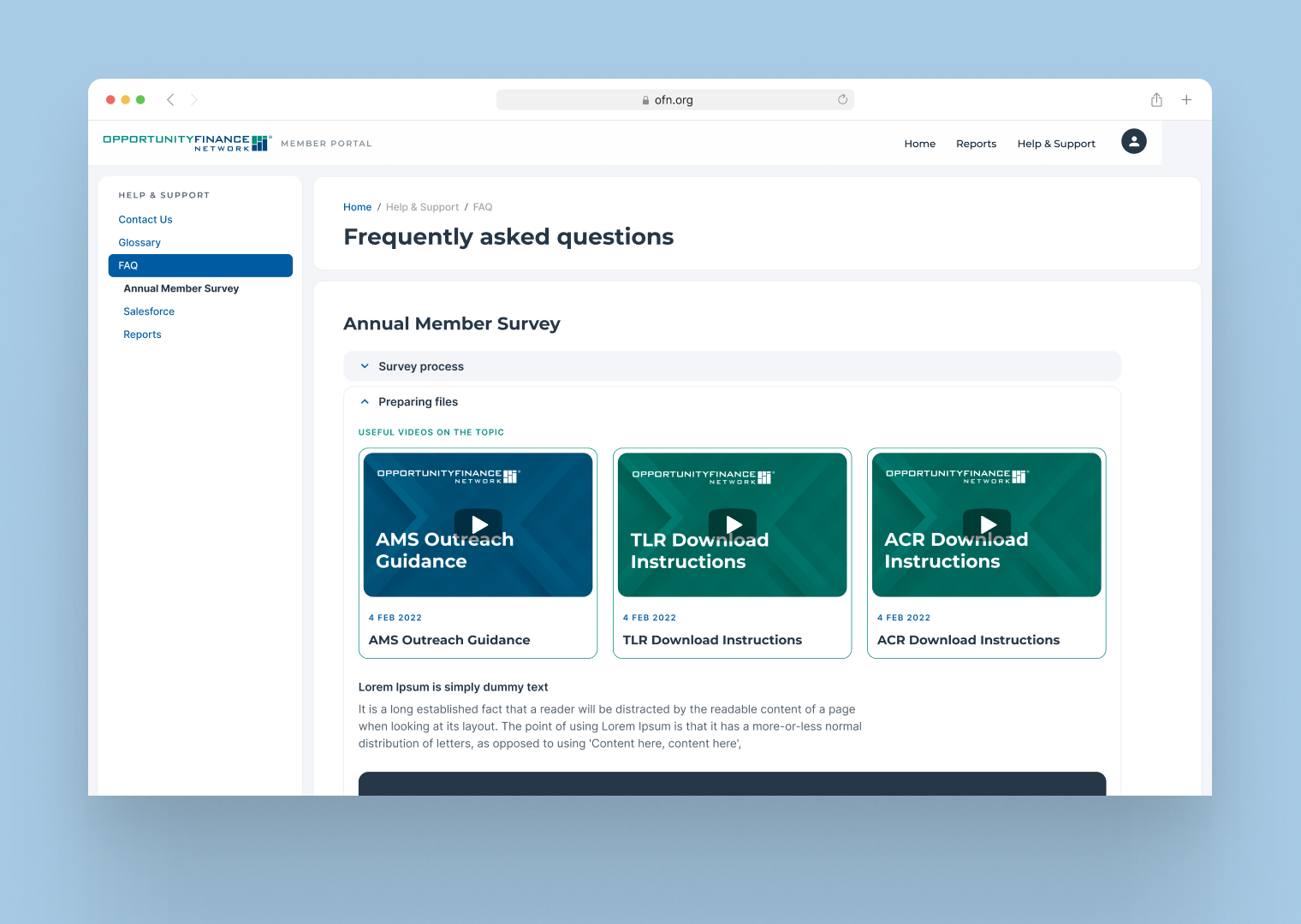
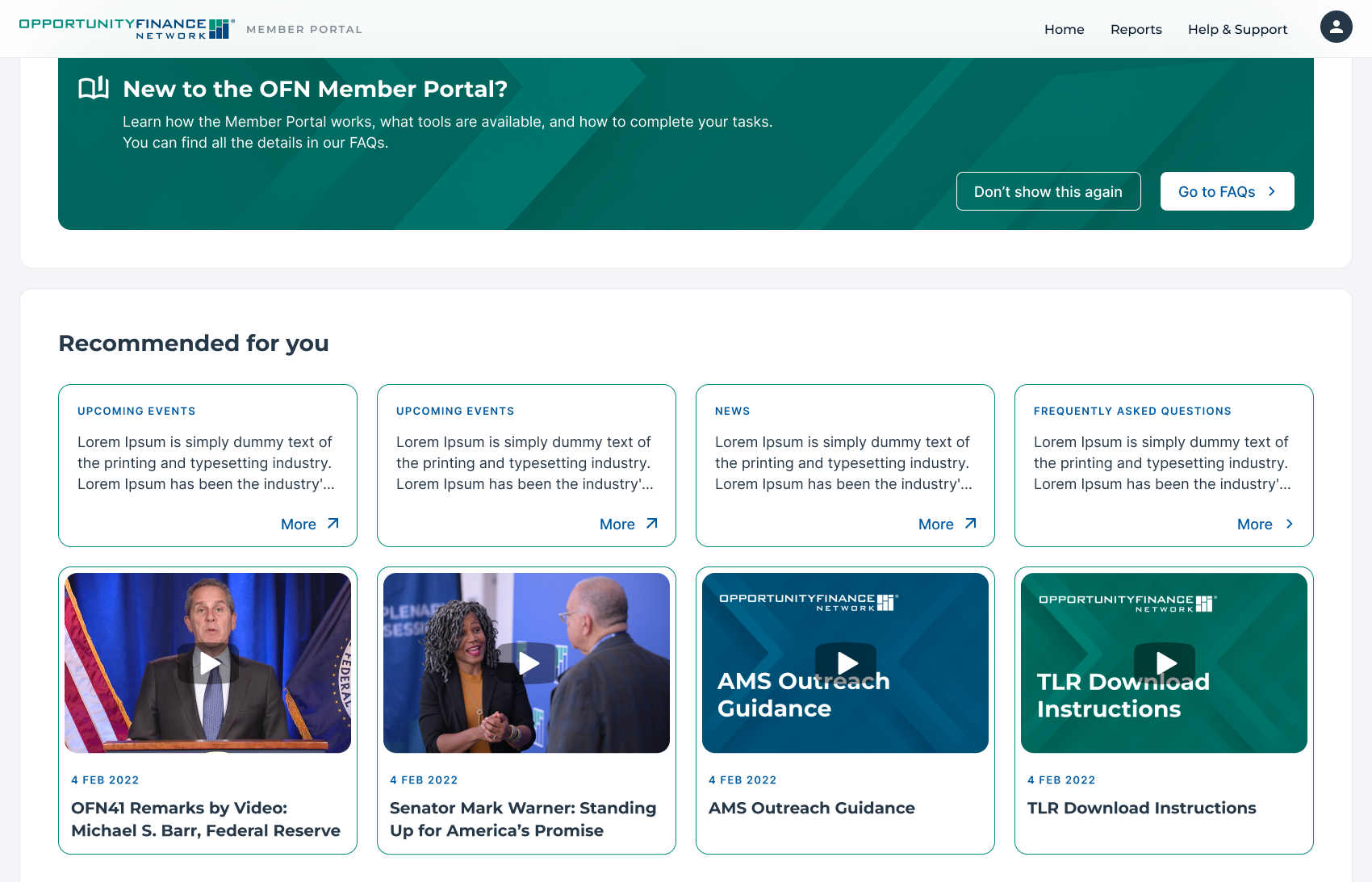
Inline guidance: alerts, video, glossary
Key product decisions

Problem 2: Rigid Architecture & Lack of Control

The Issue

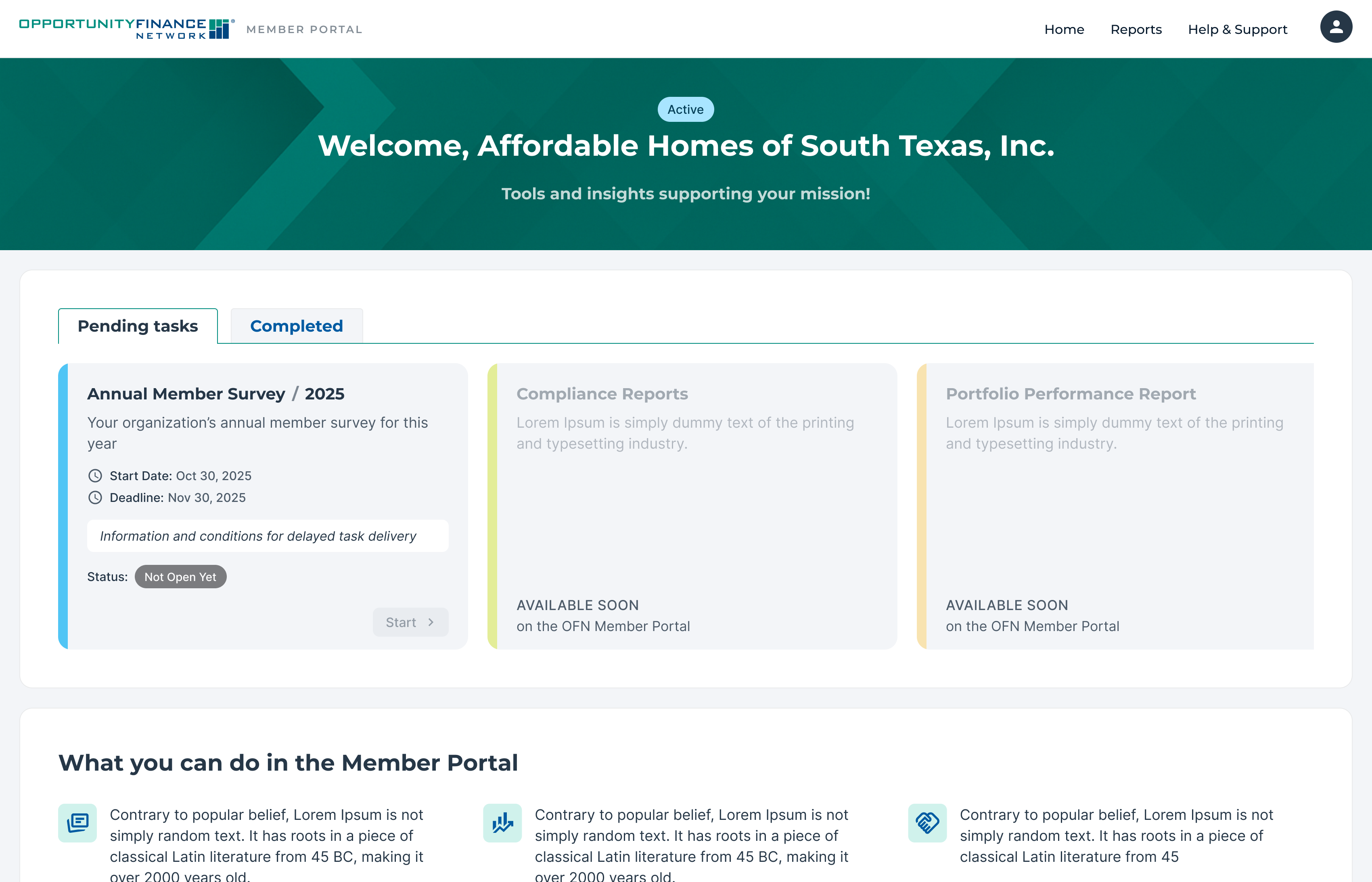
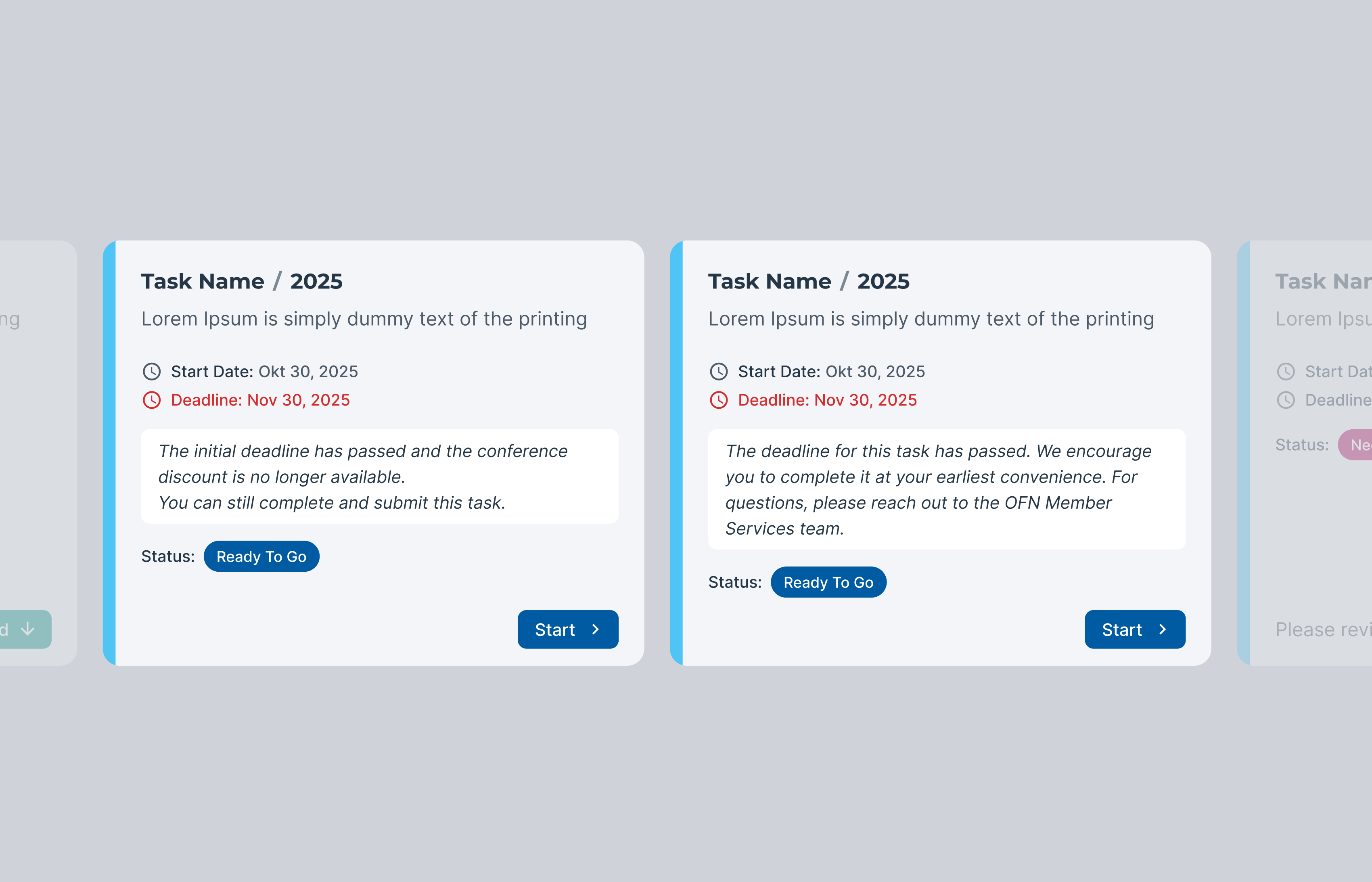
The client couldn't implement new business rules or evolve the product without starting from scratch.
Solution: An Adaptive Ecosystem
Placeholders for future report types
Manager-side controls for business logic
Manual link integration as a budget trade-off
Collaboration

Collaboration & system delivery

195 hours leaves no room for back-and-forth. I worked directly with the System Architect, translating UX into technical requirements detailed enough that validation logic and CMS rules shipped with minimal iterations.
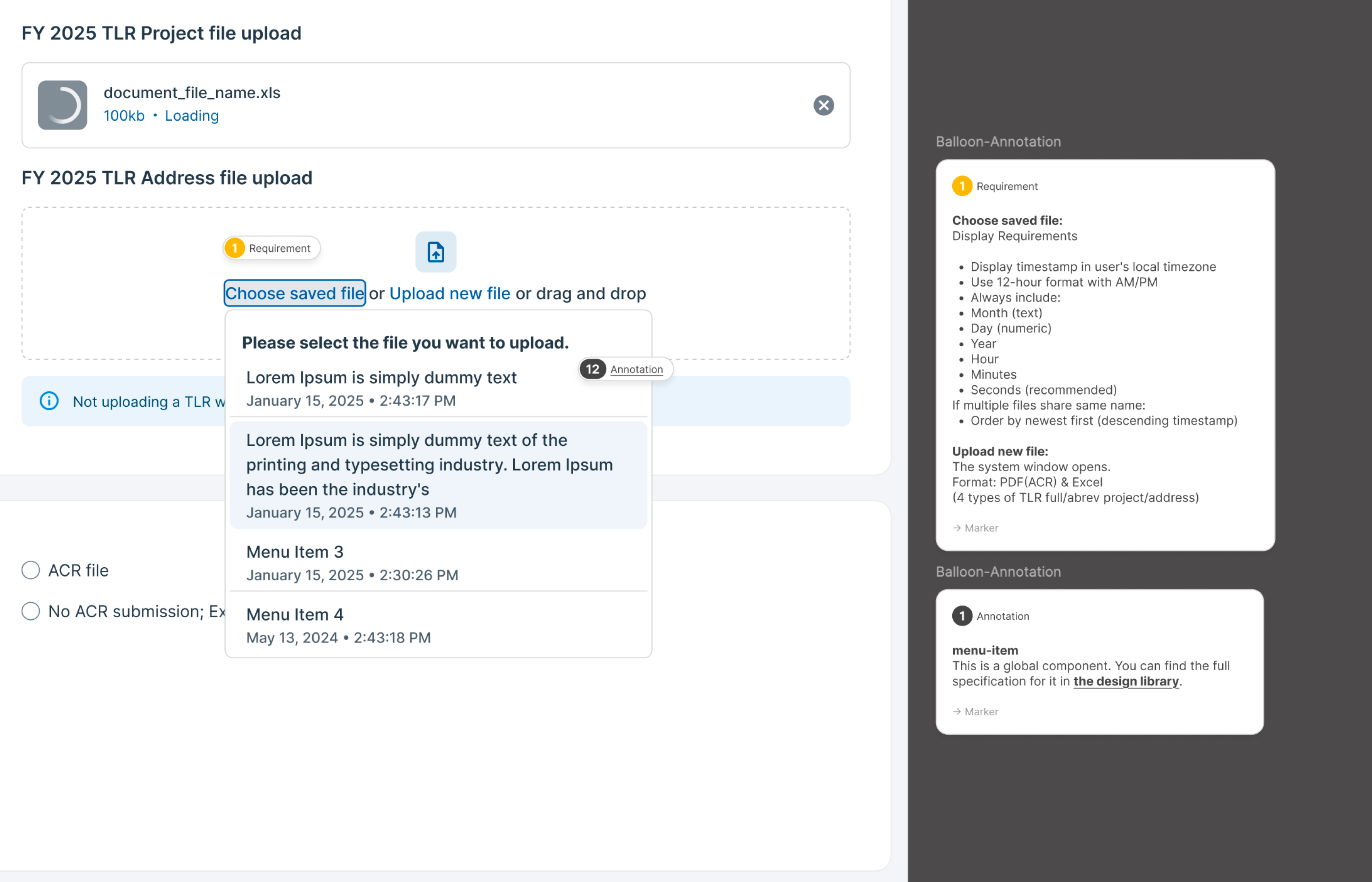
Logic-Driven Specifications
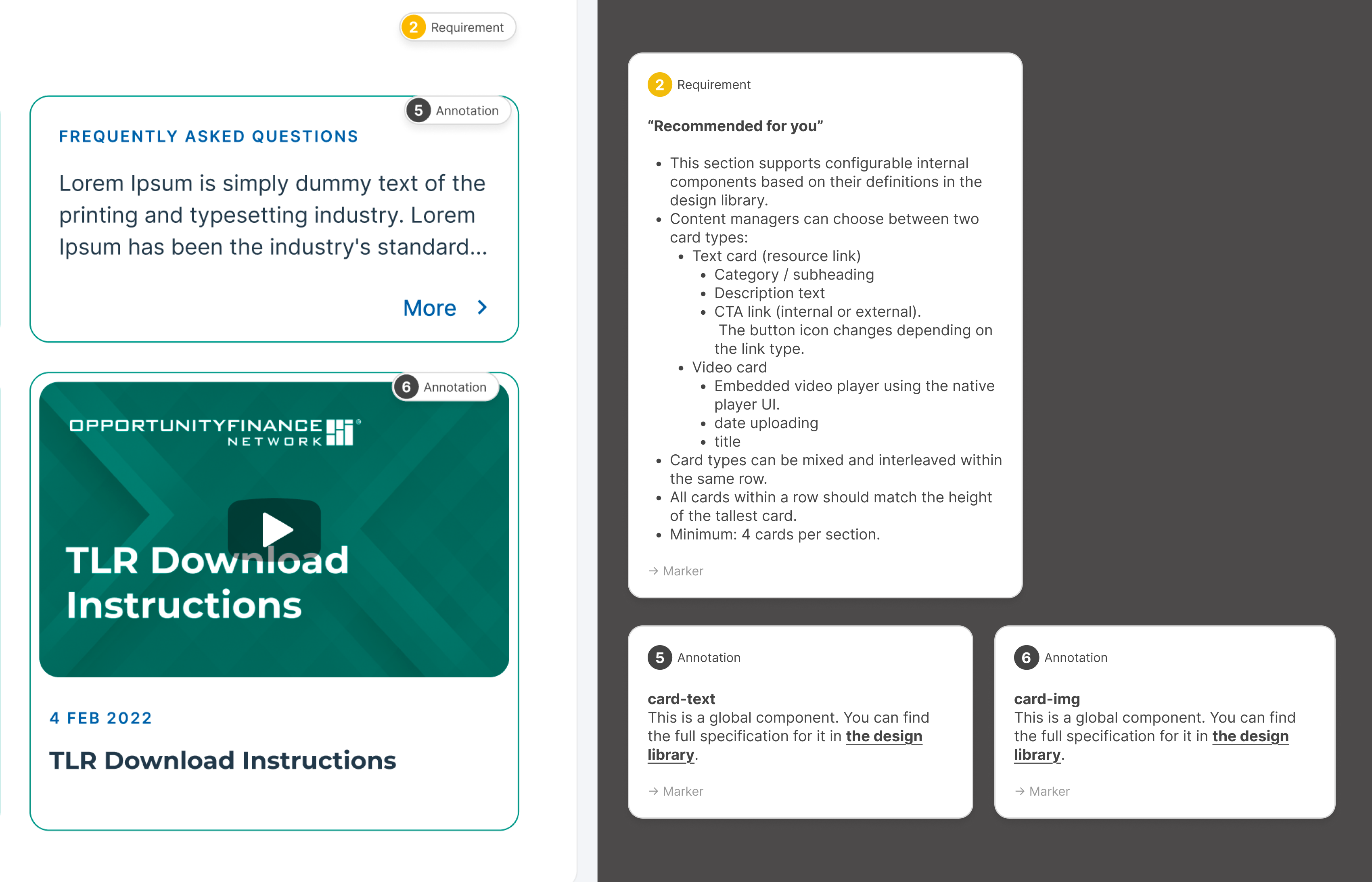
CMS Component Architecture
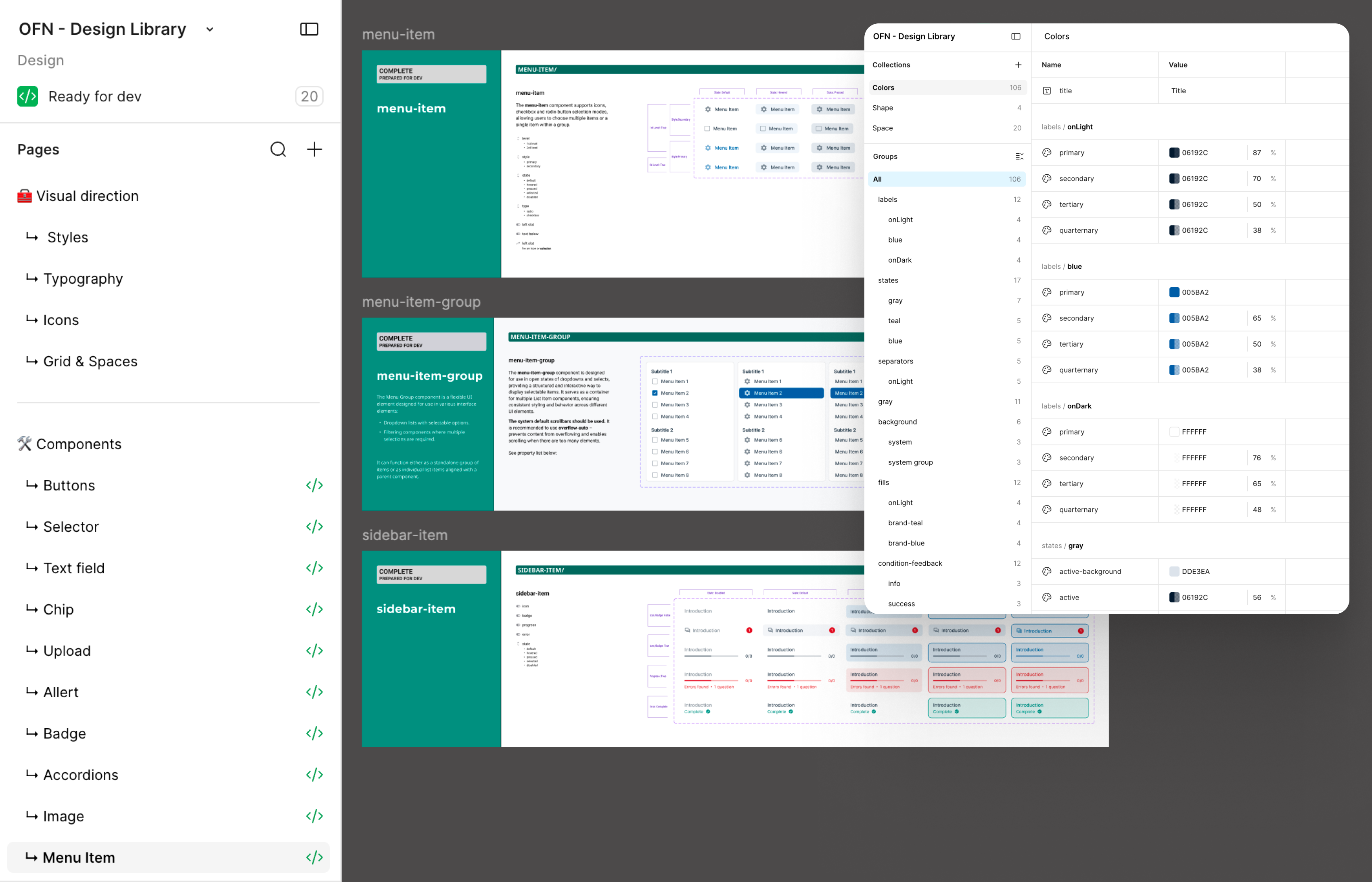
Design System

Impact

Operational efficiency
~60%
Reduction in manual data verification. The verification team's workload dropped by more than half — most of what AMS was cleaning up is now caught at input.
Product scalability
100%
Autonomous report launching. OFN can launch new report types without designer or developer involvement.
Delivery speed
195h
Zero-waste hand-off within a 195-hour deadline. Minimal iterations between design and dev — the spec was the truth.
Reducing cognitive friction
By integrating direct messaging, clear status tracking, and proactive guidance, I transformed an "exhausting obligation" into a trusted partnership. We replaced user anxiety with transparency and control.
From static form to living ecosystem
An extendable framework with modular CMS logic and placeholders for future features.
This provides a visualised roadmap, allowing OFN to scale and launch new services as the programme evolves — without re-engaging design.